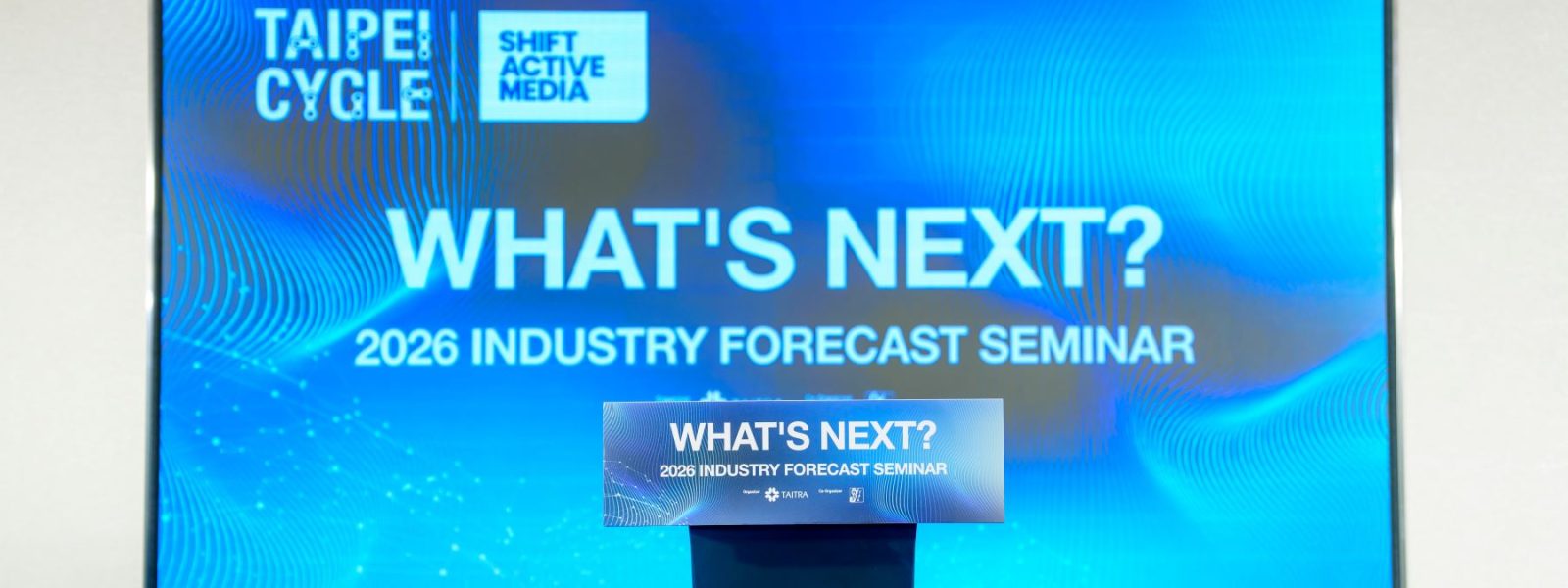
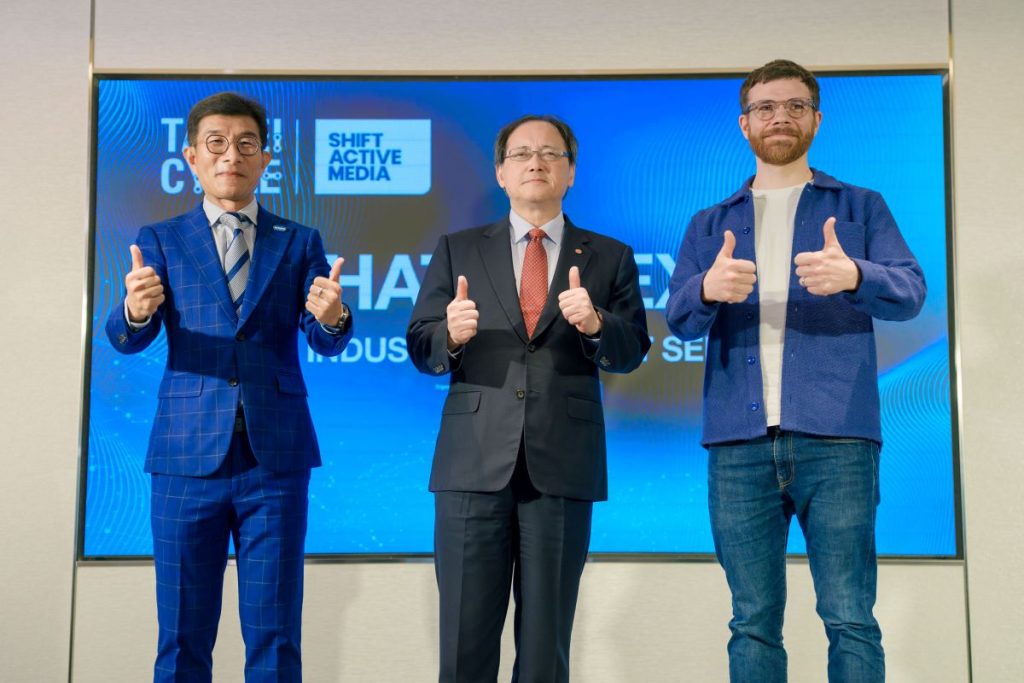
TAIPEI, TAIWAN — As the global cycling community gathers for the opening of Taipei Cycle 2026, a new industry report from SHIFT Active Media reveals a market defined by “cautious commitment.” The “What’s Next?” report, based on an industry-wide survey conducted in January 2026, indicates that while the post-COVID volatility has subsided, the road to universal growth remains nuanced and highly dependent on regional brand perception and specific category innovation.
A Market in Search of Stability
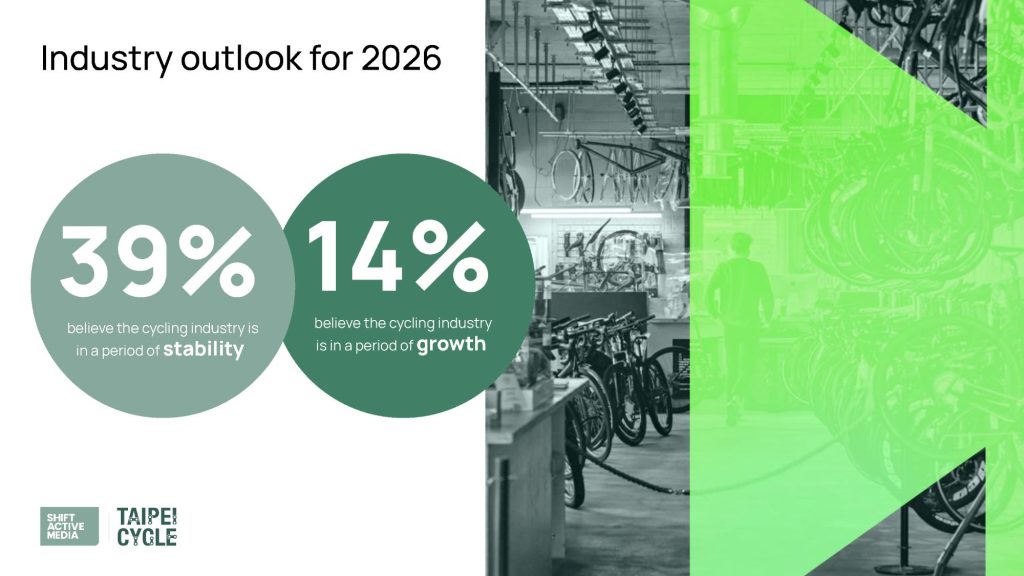
The headline figure from the industry sentiment survey is a positivity score of 4.99 out of 10. This middle-of-the-road outlook reflects a significant split in executive perspectives. Approximately 39% of industry leaders believe the cycling sector has entered a period of stability, while only 14% are confident that a period of robust growth is currently underway.
The primary headwinds for the coming year remain logistical and financial. Price discounting to clear inventory continues to be the most significant concern for 54% of respondents. Furthermore, increased logistical costs and the persistent uncertainty surrounding international trade tariffs and trading conditions remain high on the worry list for manufacturers and distributors alike.
The Rise of the Discerning Upgrader
While industry growth might appear flat on paper, consumer data paints a more active picture for those willing to innovate. According to the Rider Research Hub, consumer demand is not increasing universally, but targeted areas are showing resilience. Notably, 60% of riders surveyed are planning to purchase a better version of their current main bike in 2026, signaling a strong trend toward “upgrading” rather than just replacement.

For those riders venturing into new styles of cycling, gravel remains the undisputed leader. Among the 29% of riders looking to start a new discipline, gravel is the top choice for new bike purchases. Even for those not planning a full bike purchase this year, the “secondary market” of components and accessories remains lucrative. On average, these riders expect to spend approximately USD680 on components and USD310 on accessories throughout 2026.
Innovation and the Tech Frontier
Strategic priorities for the year are heavily focused on product development. Over 51% of industry leaders cited new product innovation as a top priority for 2026. When riders were asked which technologies captured their interest, safety and utility took precedence over pure performance. Tech that improves rider safety and systems that alert riders when maintenance is required were the most cited interests.
Sustainability also continues to move from a niche concern to a manufacturing requirement. Riders are increasingly favoring innovations that focus on sustainable materials and longer product lifespans. On the hardware side, wider tire clearances for both road and gravel, 1x drivetrains, and the integration of internal gearboxes are becoming the new standard for the enthusiast market.
The Global Origin Gap
One of the most striking findings of the SHIFT Active Media report is the impact of a product’s country of origin on consumer trust and desire. The data shows a clear hierarchy in perception:
- Italy remains the leader in “emotional” value, associated strongly with luxury, aesthetics, and heritage.
- Germany is viewed as the global engineering benchmark, prized for reliability and precision.
- Taiwan has solidified its reputation as a “trusted” manufacturer, successfully moving away from low-quality associations to become the standard for mass-produced reliability.
- The United States maintains a “balanced premium” identity, split evenly between aspiration and reliability.

In contrast, Chinese brands face a significant trust gap in Western markets. Respondents from the UK, US, and Europe are nearly ten times more likely to associate Chinese products with lower quality compared to Chinese respondents themselves. Closing this “perception gap” through brand building and transparency is cited as a major hurdle for global expansion in the coming year.
Also Read: TaiSPO 2026 Opens in Taipei to Showcase Half a Century of Fitness Innovation
Looking Ahead
The 2026 outlook suggests that while the “boom” years are over, the industry is far from stagnant. By focusing on international markets—which 82% of organizations now prioritize—and doubling down on high-growth categories like gravel and e-bikes, brands can navigate the current period of stability. The consensus from Taipei is clear: growth in 2026 will not be found through volume alone, but through specialized innovation and the building of regional brand trust.