Tram Ton, Shin Chai or Cat Cat will take you to the rooftop of Indochina.
Good morning Sapa. It is 0330 hours at 2800m asl, it felt exceptionally cold for a monsoon climate country. “Good morning. I will prepare your breakfast and bring over shortly,” said Sing, our guide while collecting the coal-stained aluminium kettle from our room.
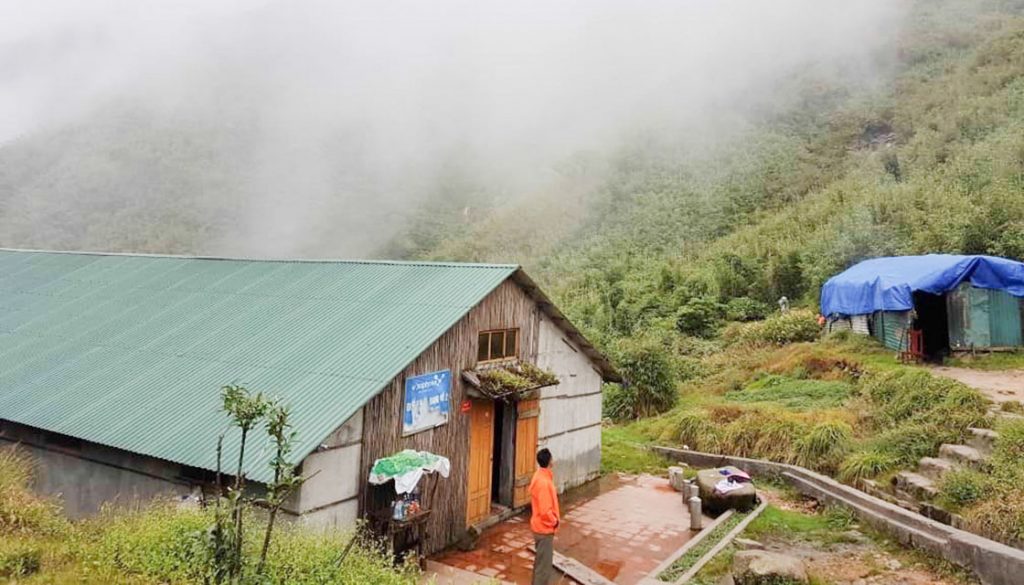
The kettle, previously filled with hot water was brought to our room to keep us warm throughout the night. We have hiked about 4 hours yesterday to get to Fansipan Base Camp, a shaggy cement shelter with metal awning and basic latrines. The trail was moderately strenuous with one or two technical rock clambering sessions. It was just after the Vietnam Mountain Marathon 2018 event and we’ve met a handful of runners executing what they called as ‘post recovery hike’.
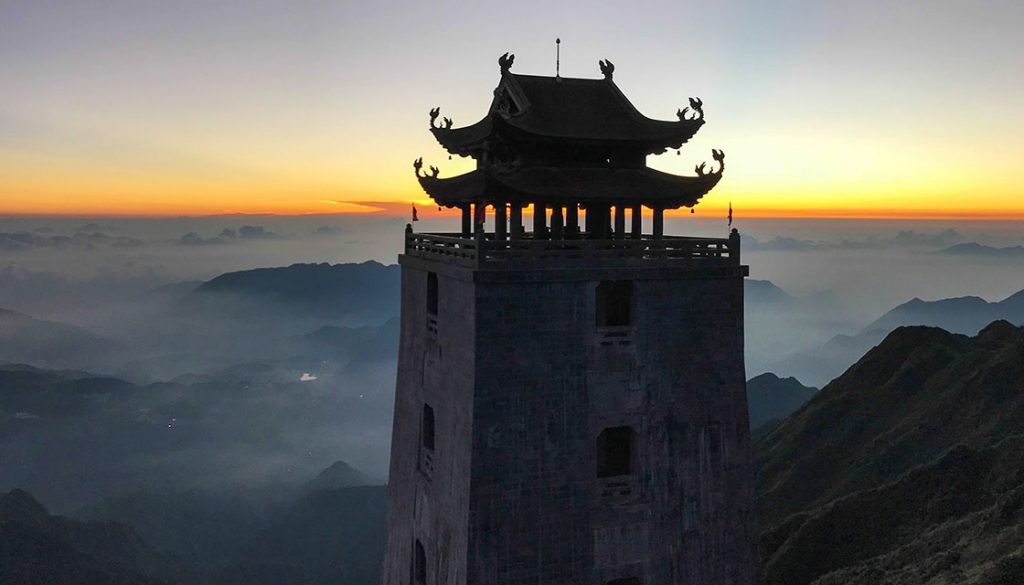
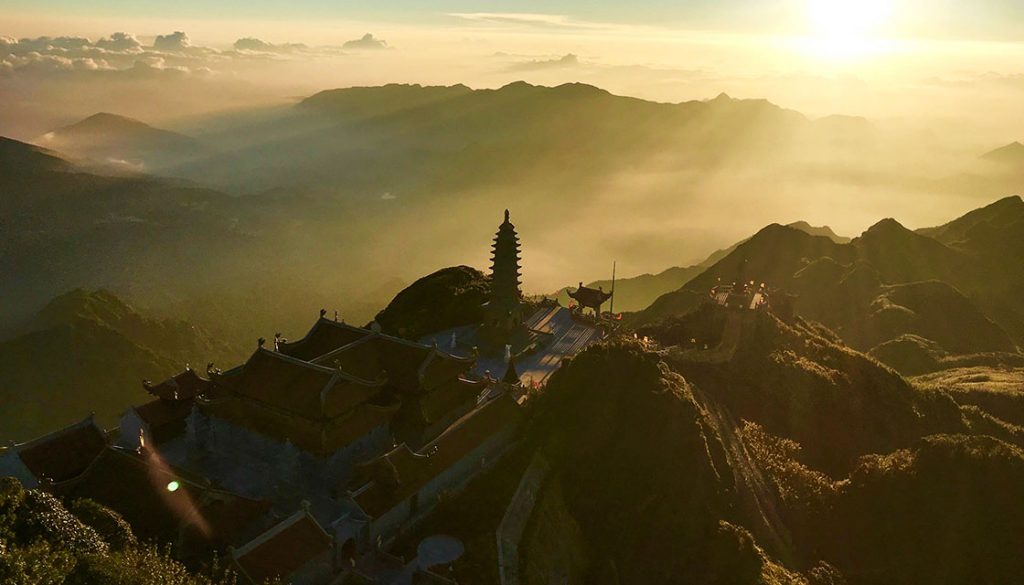
There are 3 ways up this mountain; 2-day hike, one day hike and of course, the ropeway up. As for the trails, there are also 3 options; Tram Ton, Shin Chai and Cat Cat. We took the Tram Ton trail, a gradual 11km of 1500m elevation to reach the peak. We then set off at 5am on a clear morning in search of the summit amidst sunrise. As with any other sunrise hike, we had to hike in the dark guided only by battery powered headlamps. The hike was a gradual one until we had to descend sharply and then ascend again. Exhausted from yesterday’s hike, the ropeway entrance slowly came to view. We could see cable cars above our head gliding up and down, warming up before ferrying tourists later that morning. We then arrived at a beautifully built stone building boring exquisite restaurants, cafes and souvenir shops. We wadded through the building and up to the tier where we witness the most beautiful sunrise. White thick mousse-like clouds illuminated by the break of sun covered the mountain contours. However, our hike wasn’t over yet.
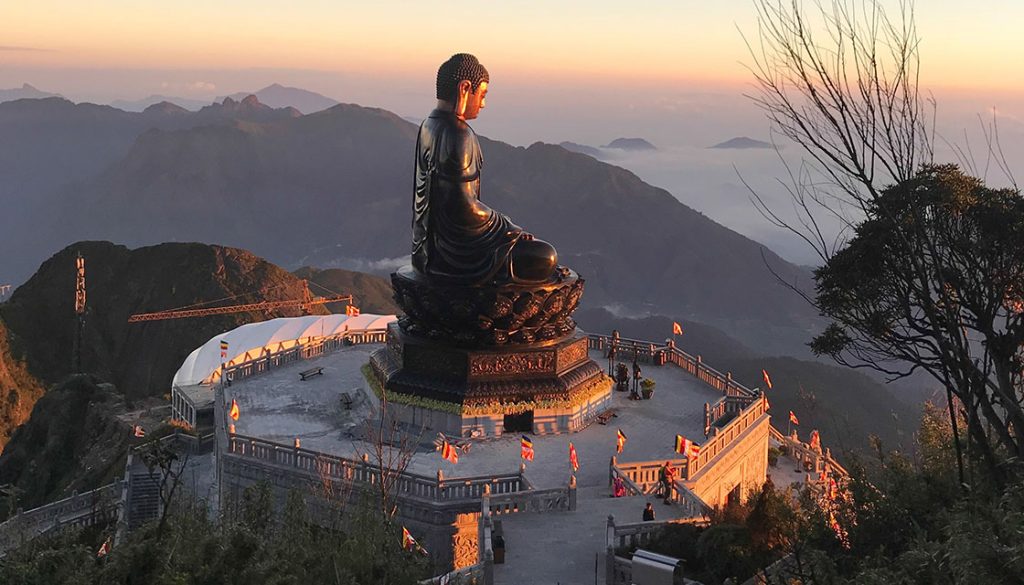
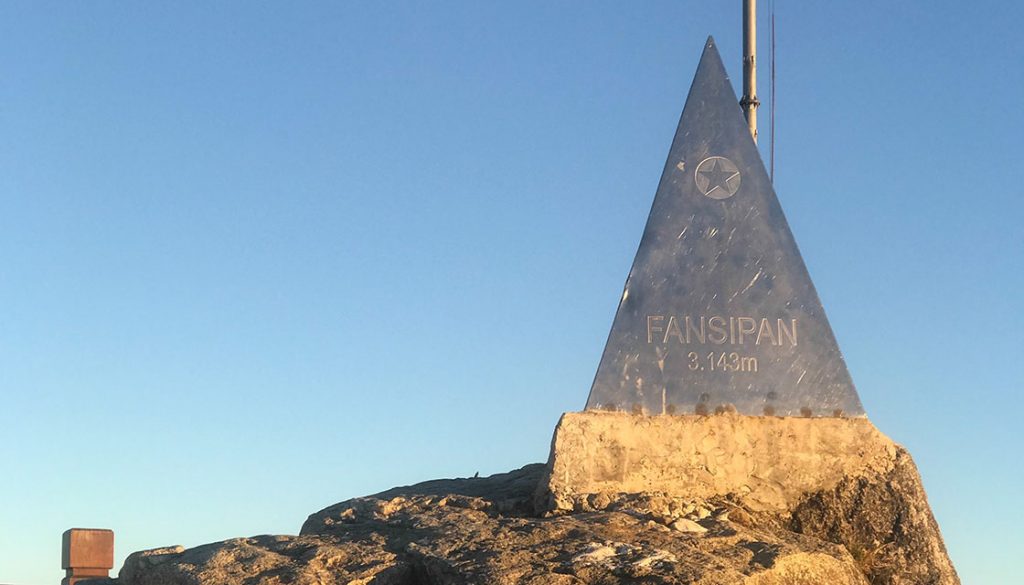
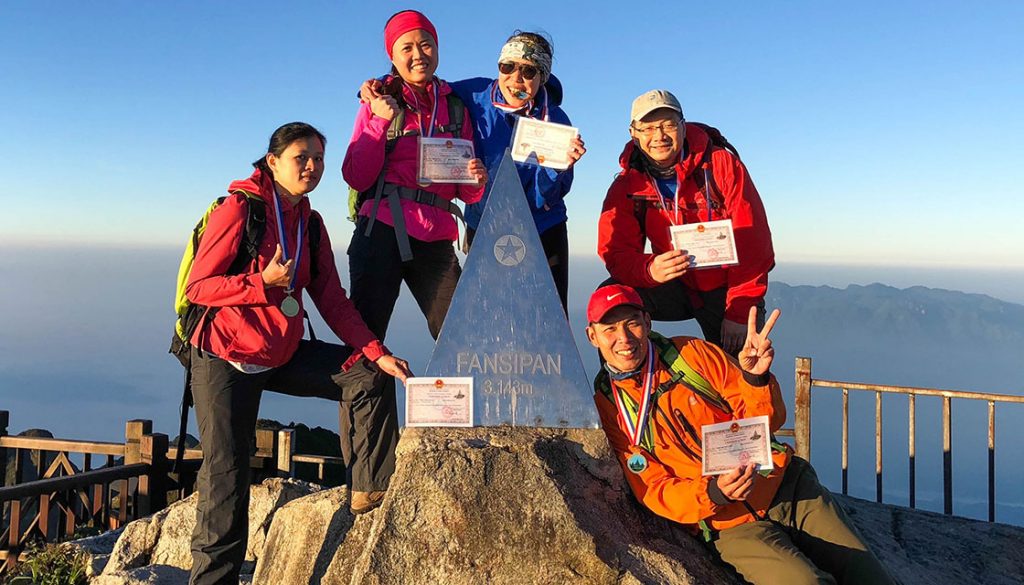
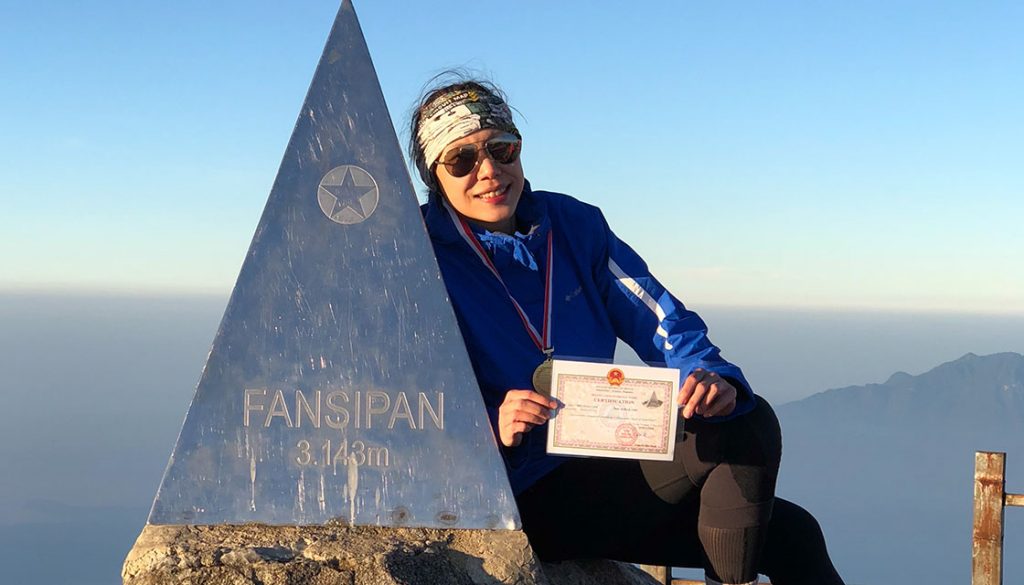
“Quickly,” said Sing “There’s still 700 more steps to go.” It was then that I saw it. The biggest bronze Buddha statue in Vietnam, resting peacefully at the side of the mountain, encircled by a short fence made of stone. It stood magnificently and shone in gold for a brief moment from the light of dawn. The wind was blowing vividly but I stood there, reaping the fruits of my effort from this climb thus far. Climbing the steps seemed like forever. I even saw a tram service up there and starting to question this madness. Moments later, I saw the pyramidion-like monument which signifies the rooftop of Indochina and exclaimed in awe! We’ve made it! The sun shone fully at this point and the view was even more gorgeous coupled with the euphoria of sweet success. We took advantage of our early voyage in taking plenty of portraits and group photos before the peak circumference gets flooded by tourists and locals gliding their way up by the convenience of the ropeway. We then gradually descended back to Sapa Town for the night before proceeding to Ta Phin Village the next day.
After breakfast at the travel agency, Sing gestured to us “Let’s go”. We hulled our backpacks and followed him, eagerly, to meet our van driver – who never came. After 10 minutes of walking through Sapa Town, confused, we then realised that THIS IS the start of the trek to Ta Phin. Endorphins inadvertently left our bodies and we started to subconsciously feel our aching muscles, repercussions from the strenuous Fansipan. After 14km of undulating trekking later, we arrived at our homestay. Sapa was established by the French in 1922 and is home to the Red Dao (pronounced as Red Yao) tribe, the very first to arrive in Vietnam during the 18th century. Their houses (also homestays) are constructed with bamboo and wood with firewood-operated kitchen. They live life, unchanged little, for centuries and wear their traditional ethnic clothing. Both men and women of Red Dao wear red scarfs or turbans on their heads. They have brightly coloured blouse, intricately embroidered and decorated with silver.
They are experts in herbal medicines, especially medicinal baths where one can order and enjoy at certain homestays. We were fortunate enough to enjoy this hot, tea-like indulging bath at our homestay before crashing for the night. Firewood smoked cardamoms were also sold at the homestay. The wafting scent of cardamom spices and hot medicinal bath marks indelible memories of this journey.
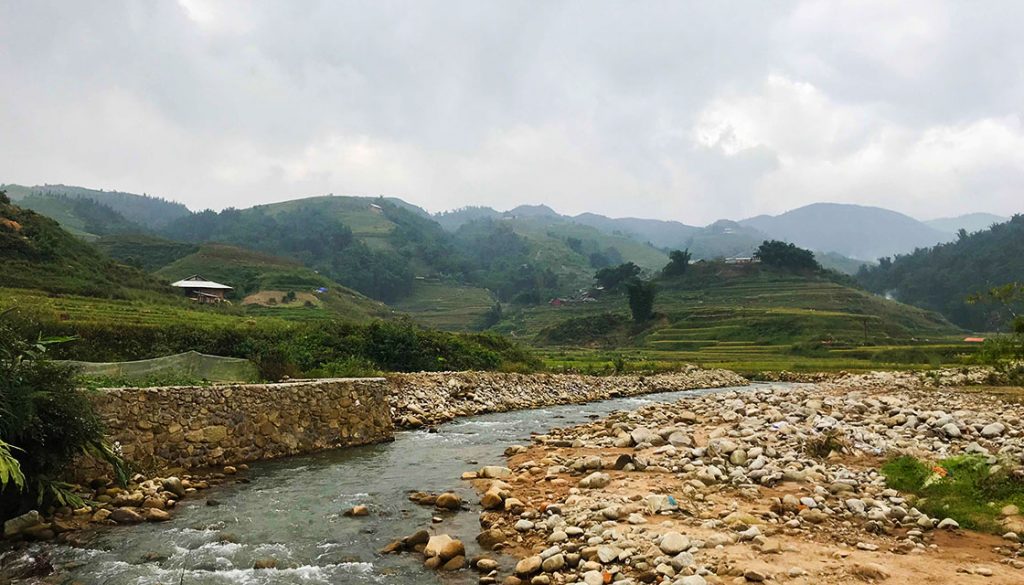
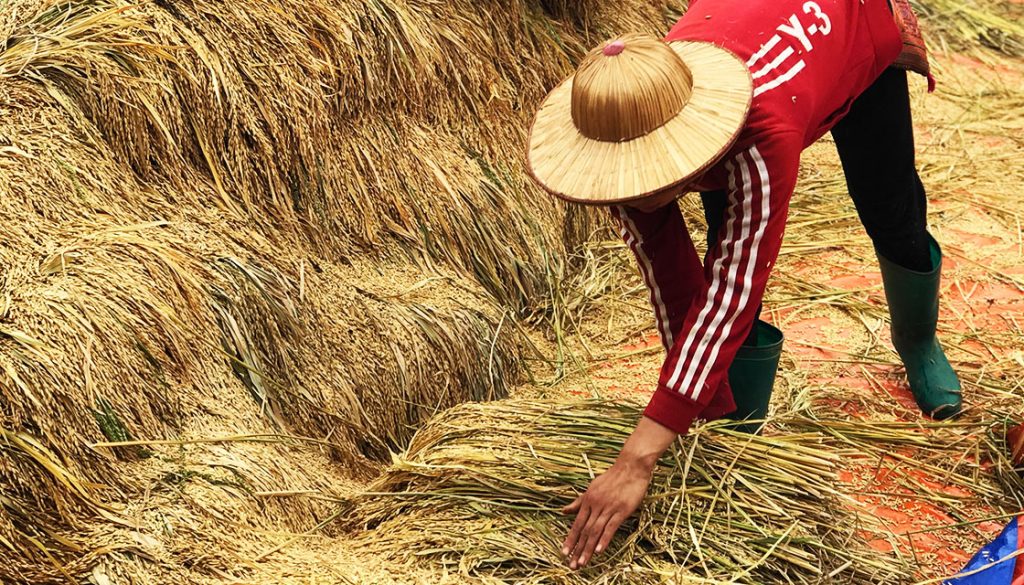
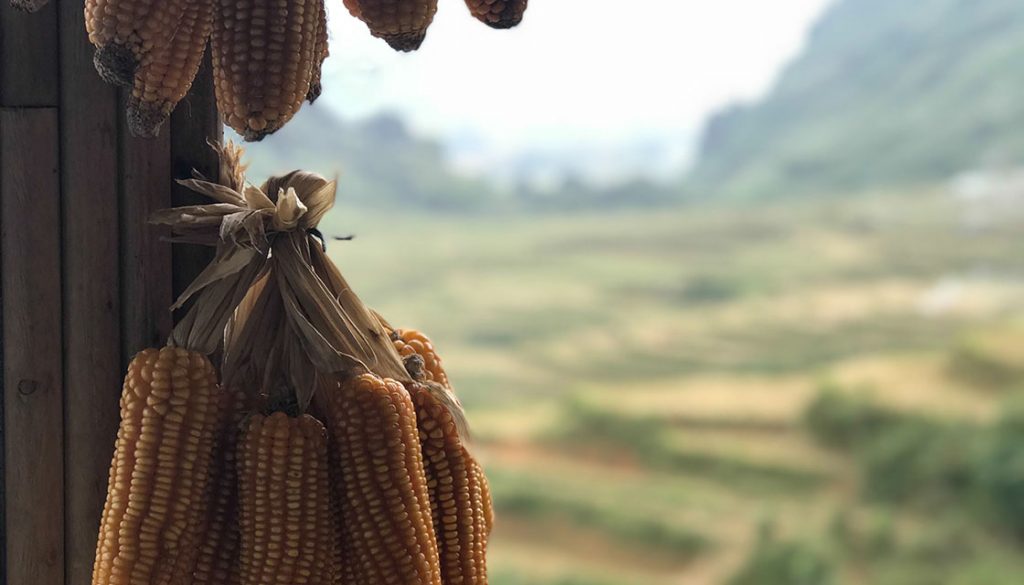
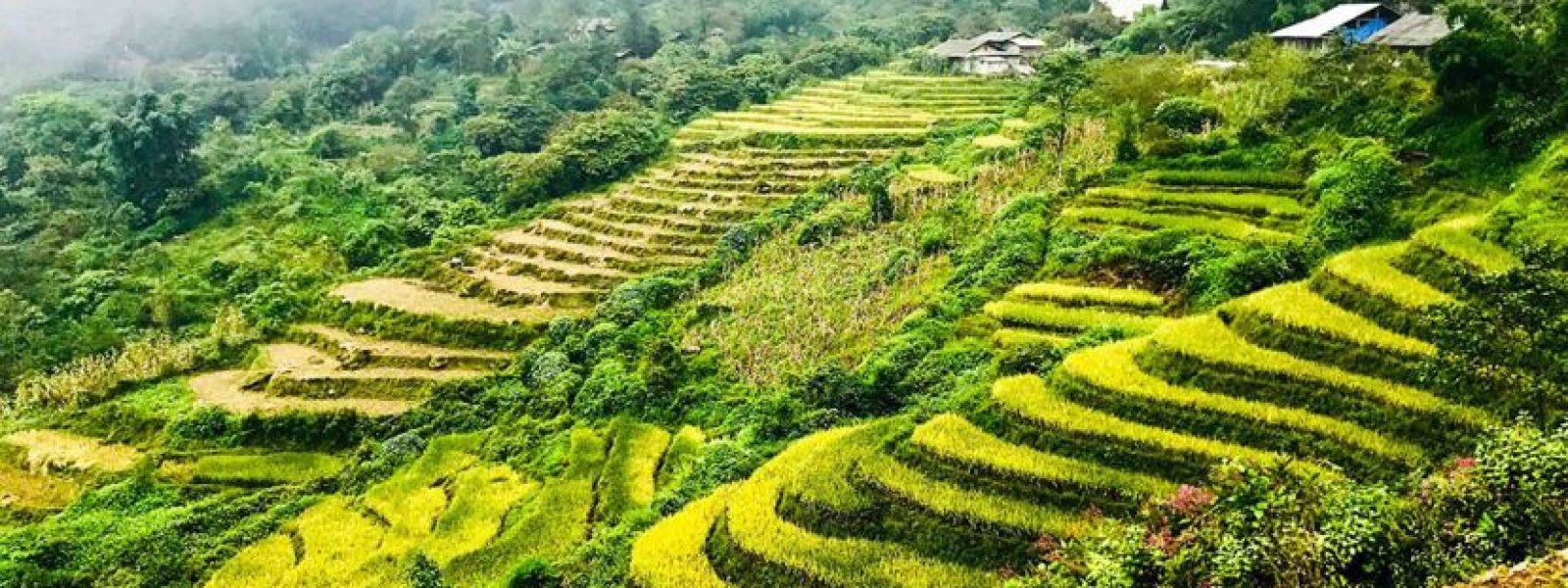
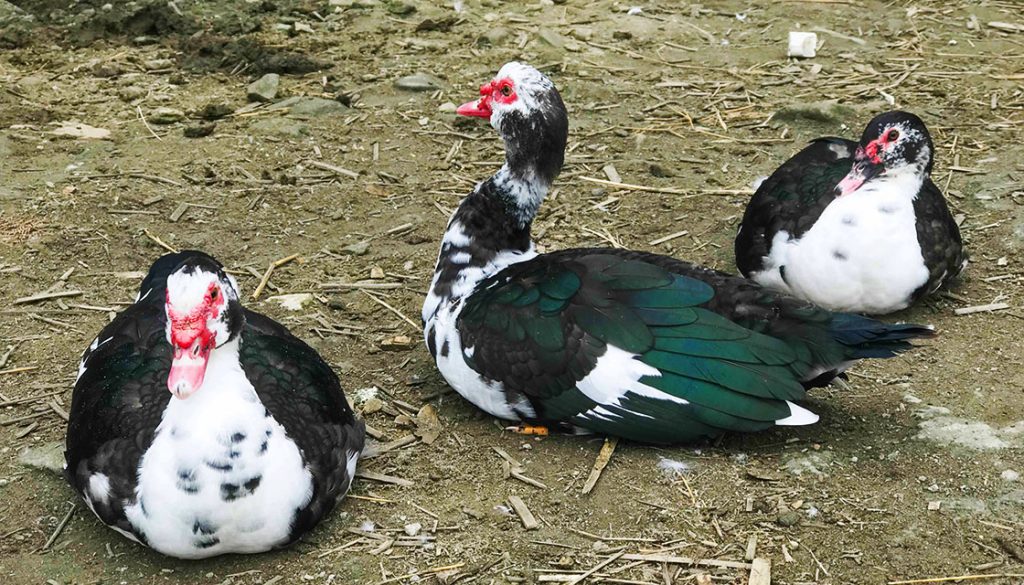
Refreshed with recovered muscles (benefits of the herbal bath last night), we bade goodbye to our beautiful host and trek 10km out of the village. It was a beautiful day with clear sky and we managed to witness the famous terraced rice fields, gorgeous bamboo jungles and traditional built houses. Live stocks in forms of black boars, buffalos and chickens are free to roam from houses to houses – unaffected by the possibility of theft. We crossed beautiful streams with farmers harvesting and violently batting dried rice stalks to detached rice kernels into deep woven rattan baskets. The air is clean. Life is simple. Life is good. We reluctantly board the sleeper bus back to the hustle and bustle of Hanoi city centre.