As the fitness landscape in Malaysia evolves, “Hybrid Training”—a discipline combining strength, endurance, and functional fitness—has become the latest trend to capture the community’s attention. However, with its rapid rise comes a wave of misconceptions about what it truly takes to succeed in this demanding arena. Garmin Malaysia recently brought together Isabel Fu and Marcus Tan, founders of Afterburn Training Club and prominent Garmin athletes, to unpack the truths and myths of the hybrid movement.
The core message from these seasoned athletes is clear: hybrid training is not about doing everything at once, but rather about managing competing physical demands with precision. As the sport moves from social media hype into a structured discipline, the role of wearable technology and objective data is becoming the bridge between “survival” and “performance.”
The Myth of Maximum Intensity
One of the most pervasive myths in the hybrid space is that athletes must push their limits in every session. Marcus Tan explains that the reality is far more nuanced, focusing on “interference management”—developing strength and endurance simultaneously without letting one compromise the other.
According to Marcus, many beginners fall into the trap of training at race-level intensity too often without building a proper aerobic base. This approach often leads to plateaus, poor recovery, and a high risk of injury. Isabel Fu echoes this sentiment, noting that especially for women, the “train every day” mindset can lead to neglecting essential fuel and rest days. Both athletes stress that hybrid training rewards patience and consistency over raw intensity, urging practitioners to move away from the idea that “more is better.”
Insights from the International Race Circuit
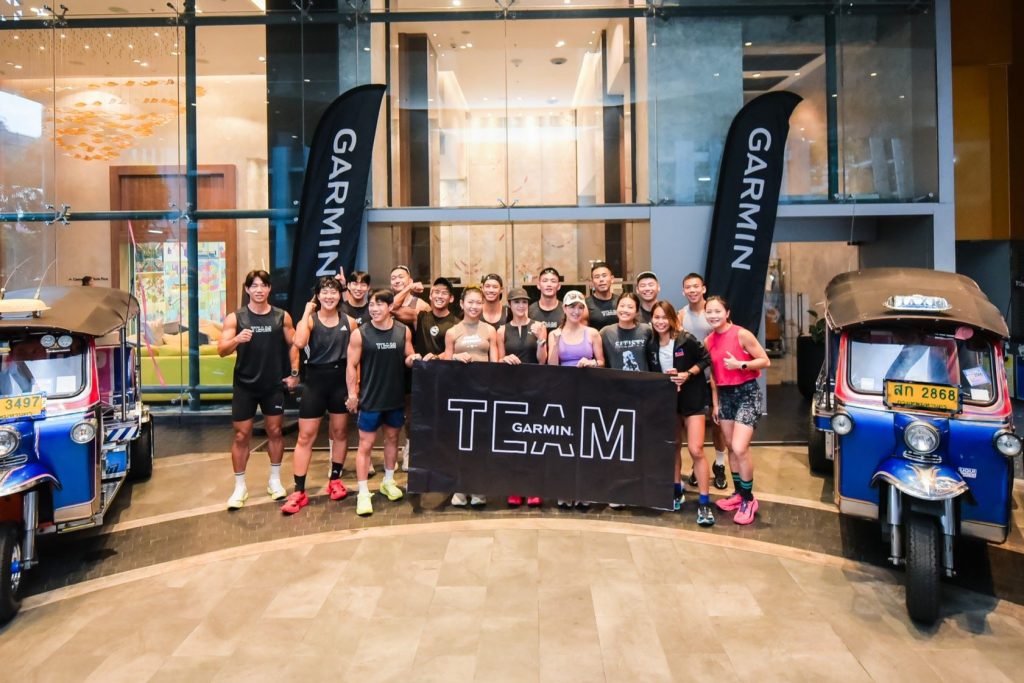
Reflecting on their recent experiences competing in Bangkok as part of #TeamGarmin, both athletes shared valuable lessons on partnership and race efficiency. For Isabel, racing in Mixed Doubles is a lesson in strategic load distribution, where partners must communicate constantly to adapt to each other’s fatigue levels.
Marcus observed that international pros don’t necessarily do more work; they simply do exactly what is needed at the right intensity. He notes that most performance loss in hybrid races stems from mismanaged effort rather than a lack of fitness. By focusing on pace over raw speed and maintaining discipline during transitions, athletes can sustain their output throughout the grueling demands of a hybrid race.
The Power of Objective Data
A significant portion of the discussion centered on how data-driven insights are reshaping how athletes coach and train. Rather than relying on subjective “feelings,” Isabel and Marcus utilize metrics like Heart Rate Variability (HRV), resting heart rate trends, and recovery scores to guide their decisions.

Marcus shared instances where he felt physically capable of training, but his Garmin data showed suppressed recovery, prompting him to pull back and avoid burnout. For Isabel, tracking metrics has provided a deeper awareness of how energy levels and hormonal changes impact her performance. This shift from “training harder” to “training smarter” allows athletes to make informed adjustments that lead to long-term, sustainable progress.
The Future of Hybrid Fitness in Malaysia
Looking ahead, the founders of Afterburn Training Club see Malaysia building a stronger, more educated presence in the hybrid scene. They anticipate a shift toward higher coaching quality and more sophisticated programming. While independent training is possible, they highlight the value of community-driven environments, such as HYROX affiliate centers, which provide the accountability and race-simulation energy that is difficult to replicate alone.
Also Read: Skechers Advances Competitive Pickleball with Enhanced Viper Court Collection
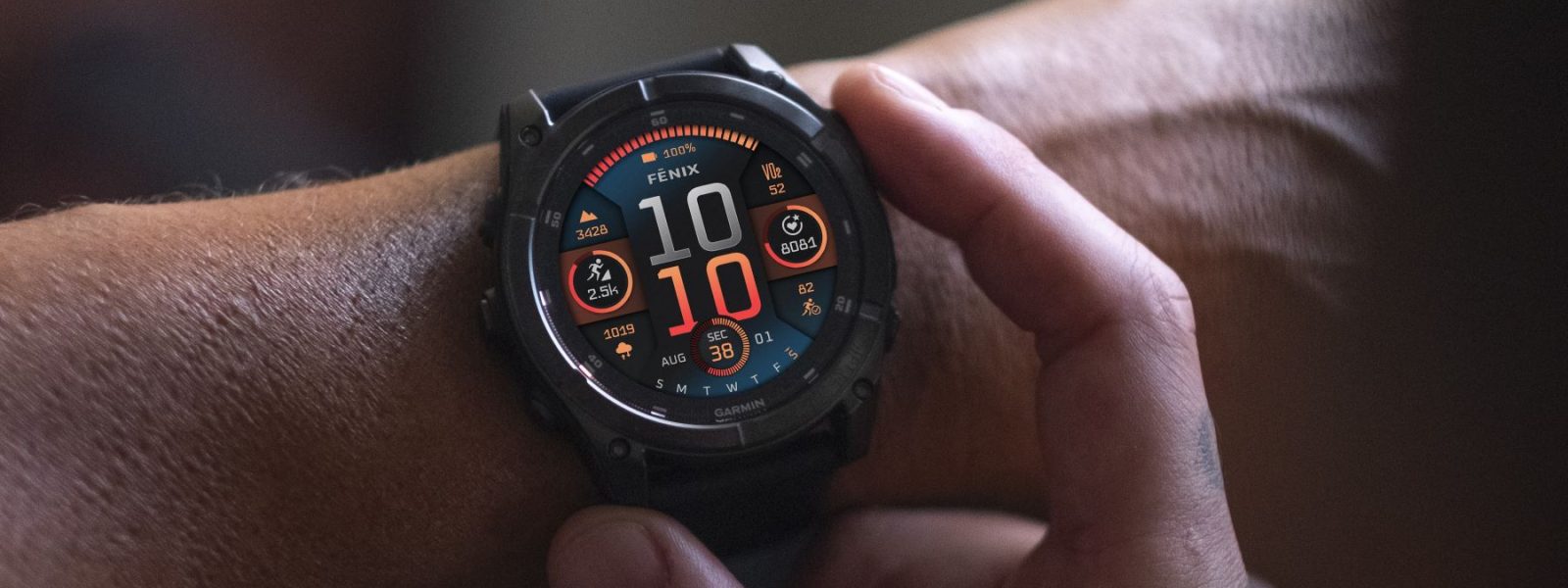
With tools like the Garmin fēnix 8 and specialized “Hybrid Training” workout modes now available, Malaysian athletes are better equipped than ever to track their transitions and functional segments separately. As the discipline continues to grow, the focus remains on balance and longevity, ensuring that the hybrid movement becomes a staple of the Malaysian sporting identity.