
The humble beet or beetroot often goes unnoticed and underappreciated. While some people love it, others tend to dislike it. However, prepare to have your perception of beetroot redefined, as we uncover some delicious information. Did you know that beets contain tryptophan, a substance known for its natural calming effects? Coincidentally, chocolate also contains tryptophan, which explains why we feel content after consuming it. Intrigued? Now, how many of us actually include this vibrant red vegetable in our diet? If you’re looking to switch things up from your regular water or energy drinks for your run, why not try a cold and refreshing glass of beet juice instead? In this article, we’ll provide a list of reasons why runners should embrace the power of the beet!
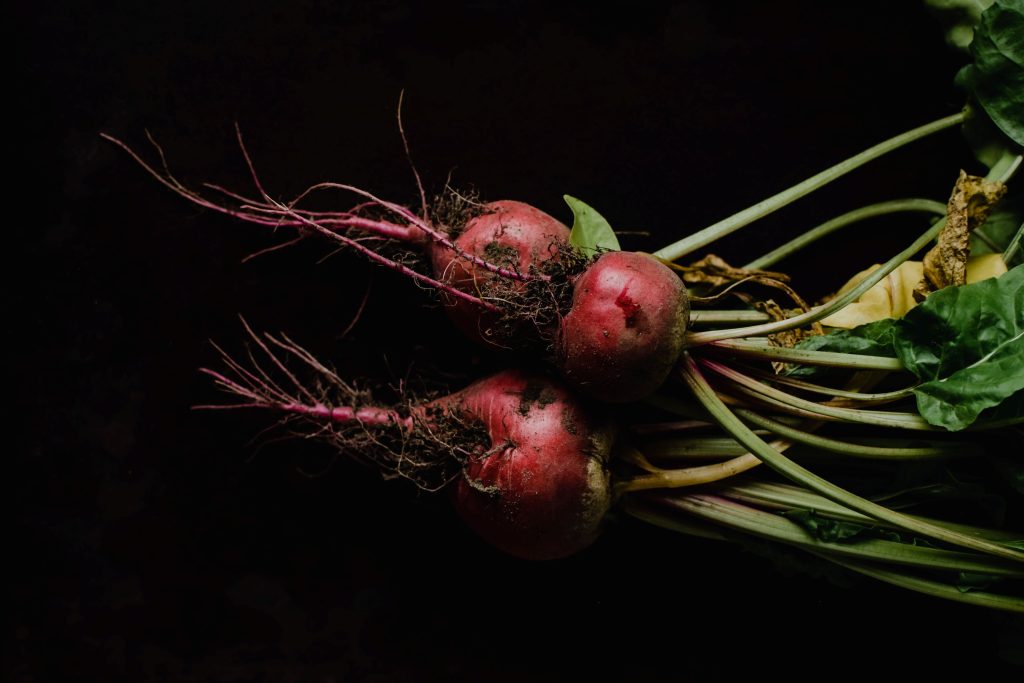
A Liver’s Best Friend
Did you know that the liver is the hardest working organ in the body, second only to the heart? Runners rely on a fully functional liver to process toxins efficiently. However, a diet rich in alcohol, fatty foods, or a stressful environment can reduce its functionality. If you’re curious about starting a liver detoxification, look no further than beetroots. No need to hassle with cooking them; simply juice them! The added bonus? You’ll not only get a healthy, detoxed liver but also a glass of refreshing juice.

Beets: Defeating Fatigue
If you’re looking to overcome runner’s fatigue and improve your performance, you’re not alone. Olympic athletes have been known to consume beet juice for this very reason. The secret lies in the natural chemicals found in beets called nitrates. These nitrates enhance the efficiency of our cells’ powerhouse, known as ATP (adenosine triphosphate), which produces energy. Furthermore, beetroot juice reduces the amount of oxygen required by our bodies during a moderate workout. Reducing oxygen consumption for any activity can help you endure more gruelling exercises. The nitrates in beets are completely natural and safe to consume.
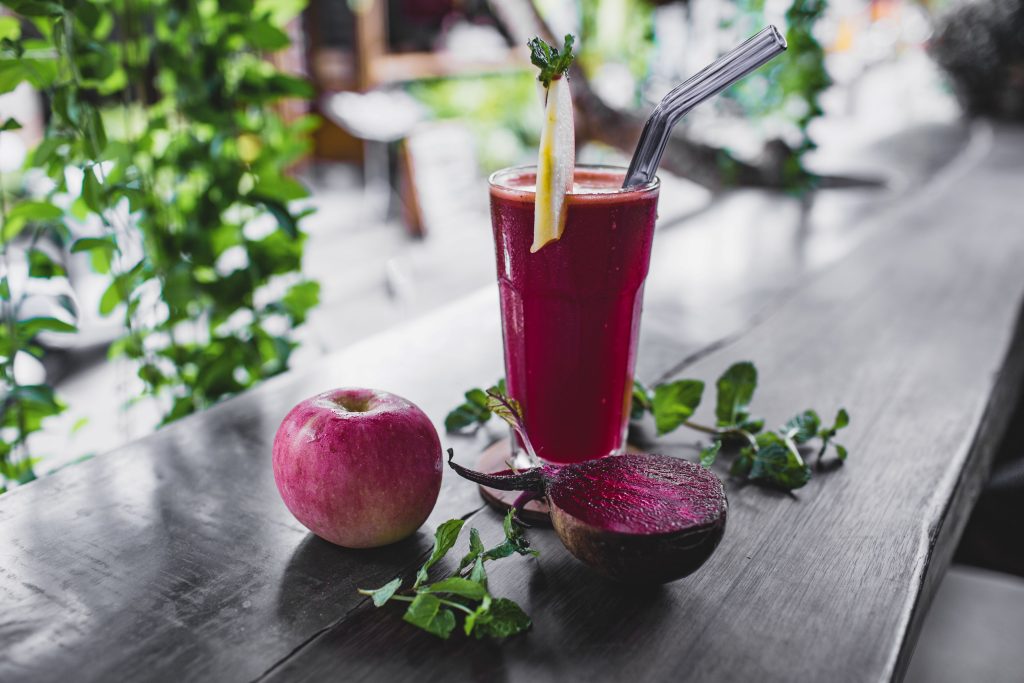
Fighting Inflammation with Beets
Don’t let inflammation hold you back. Picture this: you’ve just finished your daily run, feeling great, and then the dreaded muscle soreness sets in. These are all symptoms of post-workout tissue inflammation. How does it happen? Every time you engage in physical activity, damage occurs in your muscles and connective tissues. Your body responds by sending inflammatory cells to repair the overworked areas and make them stronger. However, this process often leaves us feeling stiff and sore. To combat this, consider incorporating beets into your diet. Beetroot contains a compound called betaine, which actively fights inflammation.
The Benefits of Sweet Potato to A Runner
Don’t Discard the Greens
When you bring home fresh beetroots, don’t make the mistake of throwing away those vibrant green leaves on top. In fact, beet greens offer a plethora of nutritional benefits. Based on a 2,000-calorie diet, daily values of beet greens contain: 220% of vitamin A, 60% of vitamin C, 16% of calcium, and 15% of iron. Beets and their leafy greens provide excellent options for flavourful dishes and are packed with essential nutrients. The leafy greens are particularly rich in beta carotene and vitamin K. Beta carotene can be converted into Vitamin A in the body, while vitamin K promotes bone formation and strengthening. You can cook beet greens in the same way as spinach for a nutritious addition to your meals.
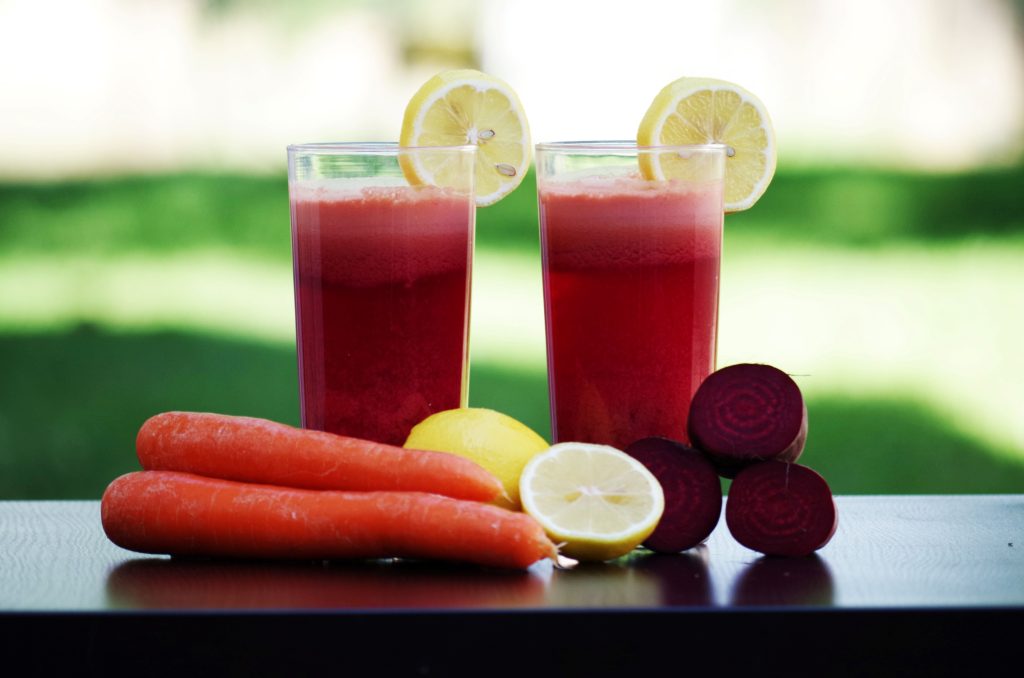
Fun Facts!
- Don’t be alarmed if your urine turns red or pink after consuming beets. This color change is caused by the compound betanin, which gives beetroot its vibrant red hue. This condition is called beeturia.
- Since the sixteenth century, beet juice has been used as a natural dye, and it has even been used to dye hair.
- Beetroot is also being used to enhance the colour of ice creams, adding a vibrant touch.
So, it’s time to embrace the power of beets and unlock their numerous benefits. Whether you’re looking to support your liver, boost your energy levels, fight inflammation, or enjoy a nutritious leafy green, beets have got you covered. Incorporate them into your diet and discover the wonders of this versatile vegetable.